GENERATORS THAT SAFEGUARD YOUR HOME AND FAMILY
Severe weather events are becoming more frequent, and with them come extended power outages that can disrupt daily life, damage property, and create unsafe living conditions. For homeowners in storm‑prone regions, a reliable generator is more than a convenience—it’s a critical safeguard. A home generator ensures that essential systems continue running when the grid goes down, keeping your family safe, comfortable, and protected from costly damage.
STAY AHEAD OF THE NEXT POWER OUTAGE
When the power fails, your home becomes vulnerable in ways that aren’t always obvious. Heating and cooling systems shut down, refrigerators and freezers stop preserving food, and essential appliances like sump pumps and well pumps can no longer operate. A generator bridges that gap, providing immediate backup power to keep your home functioning smoothly until utility service is restored.
PROTECT YOUR FAMILY
For many families, a generator isn’t just helpful—it’s absolutely necessary.
Households with elderly family members, infants, or individuals with medical conditions often rely on consistent heating or air conditioning to maintain safe temperatures.
Without power, food items can quickly spoil.
Some medications, such as insulin, must remain refrigerated at all times, making uninterrupted power critical.
Certain life-saving medical equipment requires access to a reliable power source.
Powering your home’s WIFI may be especially critical for staying connected to news alerts and reaching emergency services when cell towers are damaged.

PROTECT ESSENTIAL HOME SYSTEMS
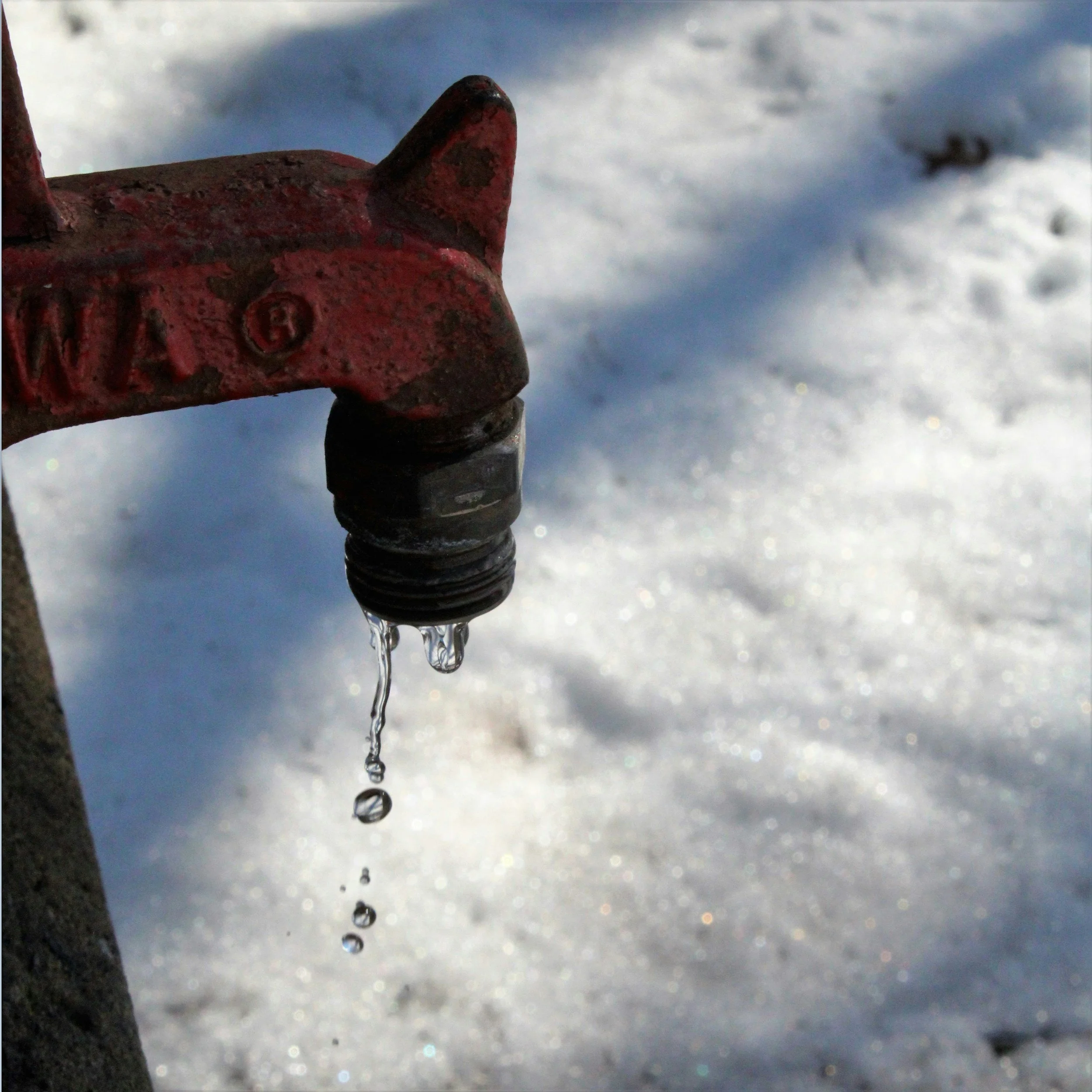
During a power outage, damage can be caused when essential systems fail: without electricity, sump pumps cannot operate, increasing the likelihood of flooding during heavy rain. In colder climates, a prolonged outage can cause indoor temperatures to drop low enough for pipes to freeze and burst, leading to extensive water damage. A generator ensures that heating systems, sump pumps, and other vital equipment continue running, preventing emergencies that can be far more costly than the generator itself. How much power does your home need? Here are some typical outputs for common essentials:
Sump Pump: 750 - 1,500 watts
Portable Heater: 1,500 watts
Refrigerator: 600 watts
Window A/C: 1,000 watts
Computer and WIFI Router: 60 - 300 watts
Lights: 5-80 watts per bulb
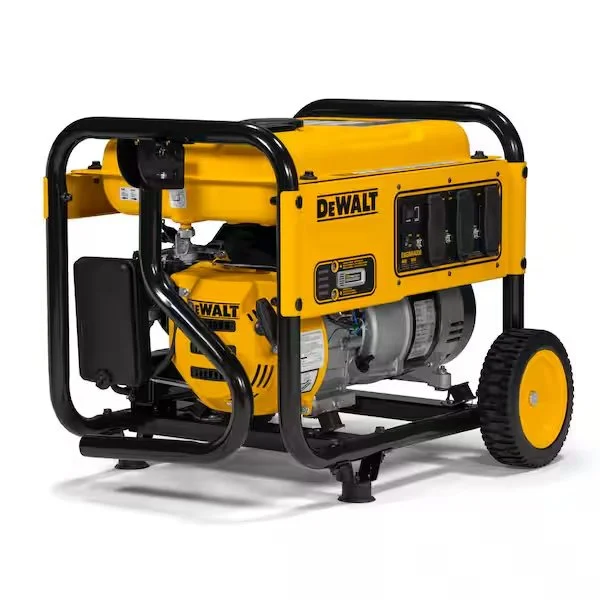
⚡ 1. PORTABLE and INVERTER GENERATORS
Pros: A portable generator is a cost-effective way to keep essentials running that can be mobilized wherever it is needed most. Inverter type portable generators are more efficient and quieter because they throttle up and down to match demand rather than always running at full power.
Cons: During an extended outage you may run out of fuel and finding fuel during an emergency can be difficult. Storing fuel can be hazardous and the carbon monoxide fumes generated by combustion can be deadly.
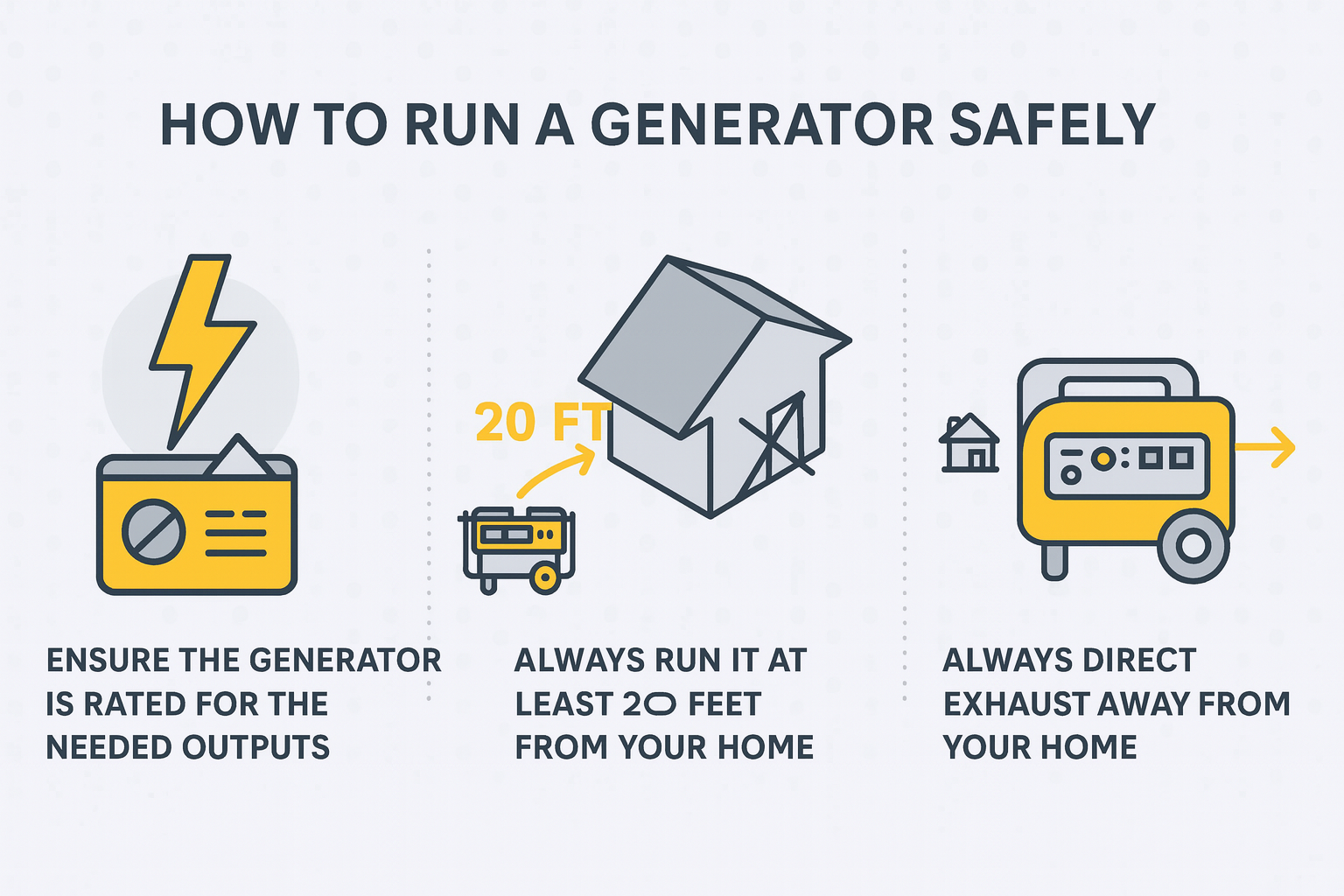
Keep your family safe with carbon monoxide detectors. Never use a portable generator inside your home or in an any enclosed space. Read: How to Run a Portable Generator Safely.
Output: 900 - 7,600 watts
Cost: $400 - $5,000
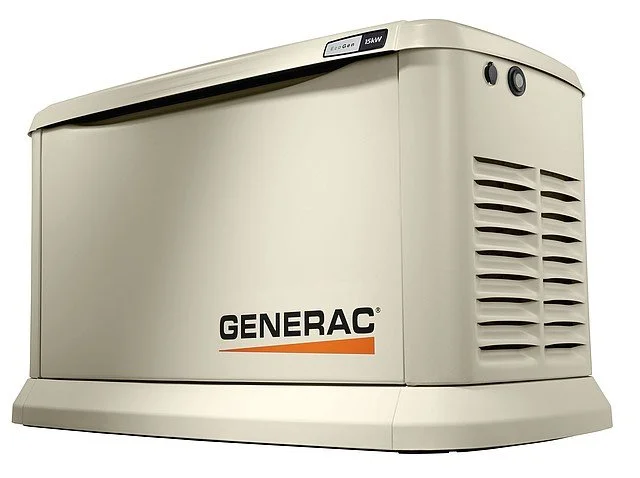
⚡ 2. STANDBY GeneratoR SYSTEMS
Pros: Standby systems that run on natural gas or propane are safe, can power an entire home and can be hardwired to activate automatically whenever the power goes out. Propane is less risky to store than gasoline and if your home has access to natural gas, it can provide an unlimited supply.
Cons: Units and installation costs are expensive. These systems should be installed by a professional electrician who can help obtain the necessary permits and proper location.
Output: 5,000 - 20,000 watts
Cost: $2,000 - $7,000. Installation can double the price.
⚡ 3. POWER STATIONS and SOLAR GeNERATORS
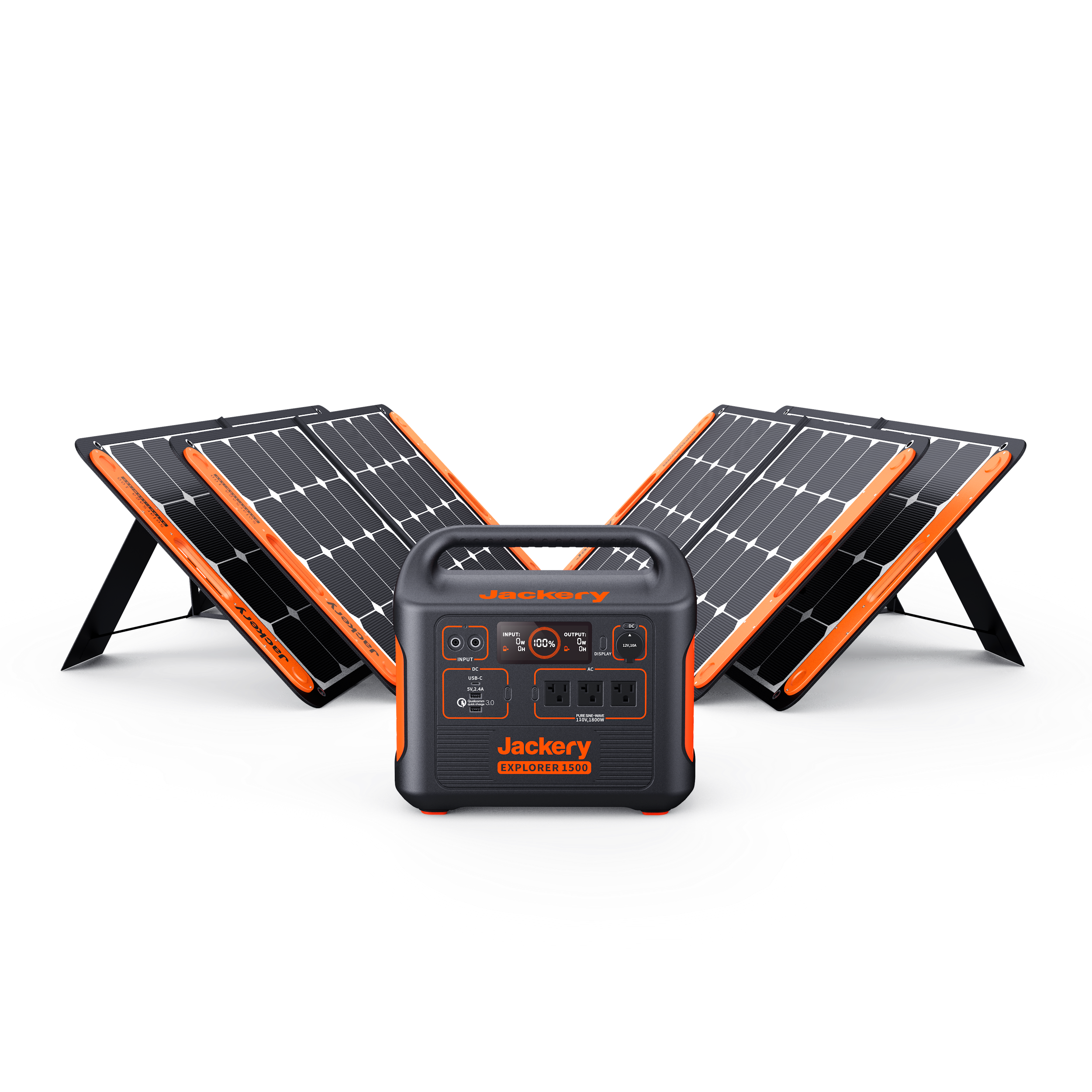
Pros: Portable power stations are large rechargeable batteries that provide quiet, fumeless back-up power when you need it. They are good options for someone who lives in an apartment or is camping outdoors. Batteries can be charged in advance in an outlet or recharged by hooking-up to a solar panel. Both options avoid the need for storing hazardous fuel or being exposed to dangerous fumes.
Cons: Weather conditions may not be favorable for generating power and battery storage may run low during an extended outage.
Output: 1,800 - 6,000 watts
Cost: $1,500 - $4,000
PURCHASING A GENERATOR NOW Can prevent thousands in damageS later.

⚠️ Why YOU SHOULD CONSIDER A GENERATOR Now
A generator is one of the most valuable upgrades a homeowner can make in areas prone to storms and outages. Beyond comfort, it protects your home from preventable damage, safeguards vulnerable family members, and ensures that essential systems remain operational when you need them most. Whether you choose a portable unit, battery back-up, or a fully automated standby generator, the investment pays off the moment the lights go out.