
WILDFIRES
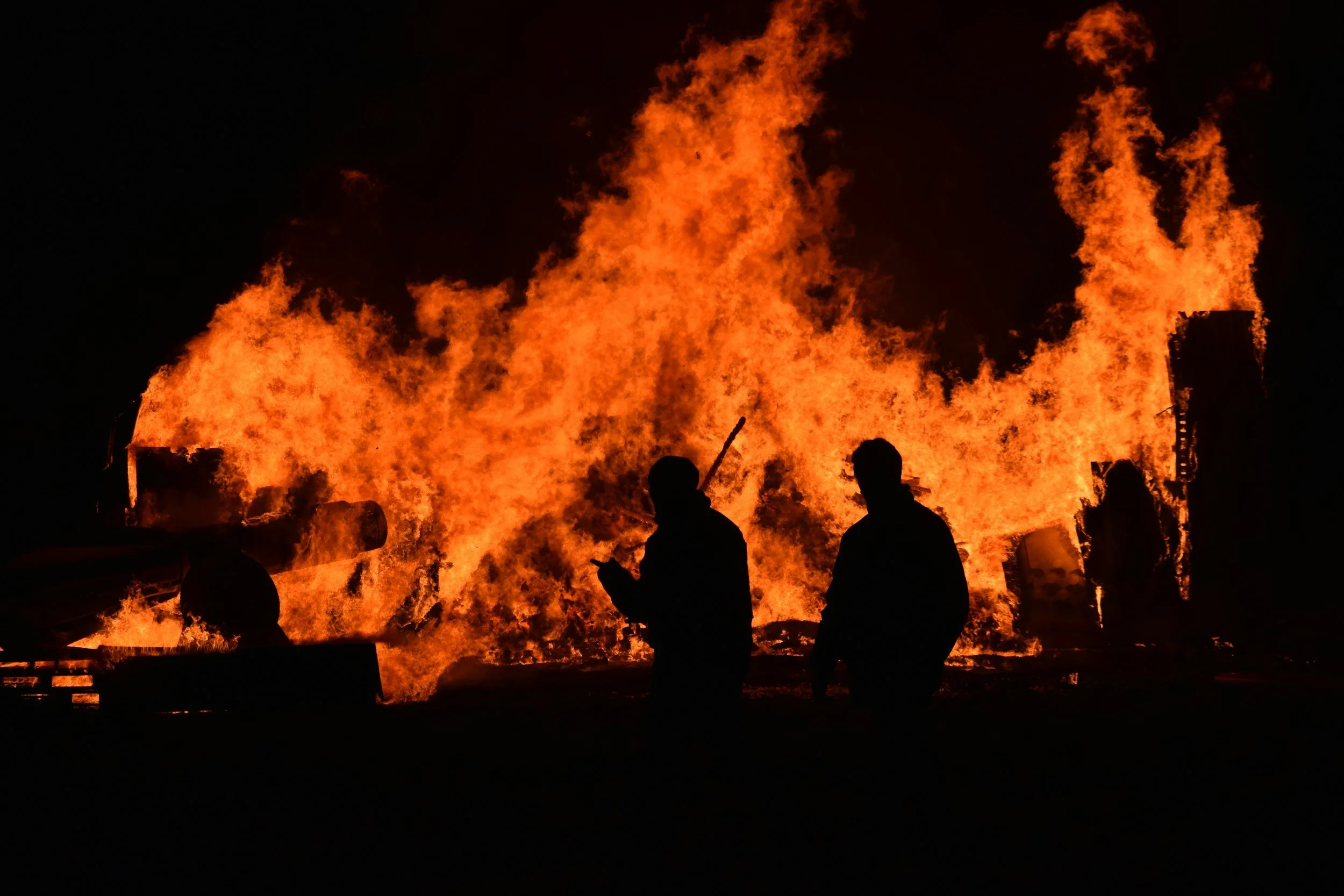
Wildfires have become increasingly frequent and destructive across the U.S., not just in western states, but also in drought-stricken areas across the country. In 2024, over 68,000 wildfires burned approximately 7.6 million acres. The annual area burned has surged, with the top 5 most destructive years occurring since 2015. In the first month of 2025 alone, more than 16,000 structures were destroyed by wildfires, more than 3X the number destroyed in 2024 (4,500 structures). The annual economic toll ranges from $394-$893 billion, equivalent to 2-4% of U.S. GDP.
While 15% of wildfires are caused by lightning strikes, the overwhelming majority of wildfires (85%) are started by human activity, including unattended campfires, discarded cigarettes, arson, powerline failures, and equipment sparks. Wildfires are no longer just a seasonal hazard — they are a year-round nationwide emergency.
Prepare
Start by assembling an emergency kit stocked with water, non-perishable food, batteries, flashlights, a first-aid kit, and important documents in waterproof containers. Secure your home by reinforcing windows and doors, trimming trees, and clearing gutters to prevent flooding. Develop an evacuation plan, including multiple routes and a designated meeting spot for family members. Stay informed by monitoring weather updates from reliable sources and sign up for local emergency alerts. Lastly, ensure your vehicle is fueled and ready, and communicate your plans with neighbors and loved ones to stay connected throughout the storm.
Protect your home
To protect your home from wildfires, start by creating a defensible space around your property. Clear dry leaves, pine needles, and other flammable debris from roofs, gutters, decks, and yards. Trim tree branches at least 10 feet from structures and remove dead vegetation within 30 feet of your home. Use fire-resistant landscaping like gravel, stone, and low-resin plants. Install ember-resistant vents and cover chimneys with spark arresters. Choose non-combustible building materials for roofs, siding, and decks when possible. Store firewood and propane tanks at least 30 feet away from your house. Keep garden hoses connected and ready, and ensure your address is clearly visible for emergency responders. Create an emergency kit and evacuation plan, and sign up for local alerts. Regularly review your homeowner’s insurance to ensure it covers wildfire damage. These steps can significantly reduce your home’s vulnerability and give firefighters a better chance to defend it.
Resources
Homeowners concerned about wildfires have access to a variety of critical resources designed to ensure safety and minimize damage. The Federal Emergency Management Agency (FEMA) offers detailed preparedness guides, checklists, and emergency kit recommendations. State and local government websites provide updates on evacuation routes, shelter locations, and real-time forecasts and alerts. For fire protection, resources on installing fire-resistant decking and roofing, heat-resistant windows, and fire-resistant shutters are widely available through home improvement organizations and fireproofing specialists. Utilizing these tools proactively can significantly enhance a home's resilience before a wildfire strikes.
After a wildfire, homeowners have access to several critical resources to aid in recovery and rebuilding. Federal agencies like FEMA provide emergency financial assistance and grant programs to cover temporary housing, repairs, and essential needs. The Small Business Administration (SBA) offers low-interest disaster loans for homeowners to repair or replace damaged property. State and local governments often have additional relief programs and can connect residents to immediate aid, shelters, and cleanup efforts. Nonprofit organizations, such as the American Red Cross and local community groups, provide essential services including food, clothing, and rebuilding support. It’s vital for homeowners to document all damage thoroughly, file claims promptly with insurance providers, and leverage these available resources to expedite recovery.