Hurricanes: How to Protect Your Home Before the Storm
Hurricanes don't give you much warning. When one is heading your way, the decisions that matter most are the ones you made weeks before — not hours before.
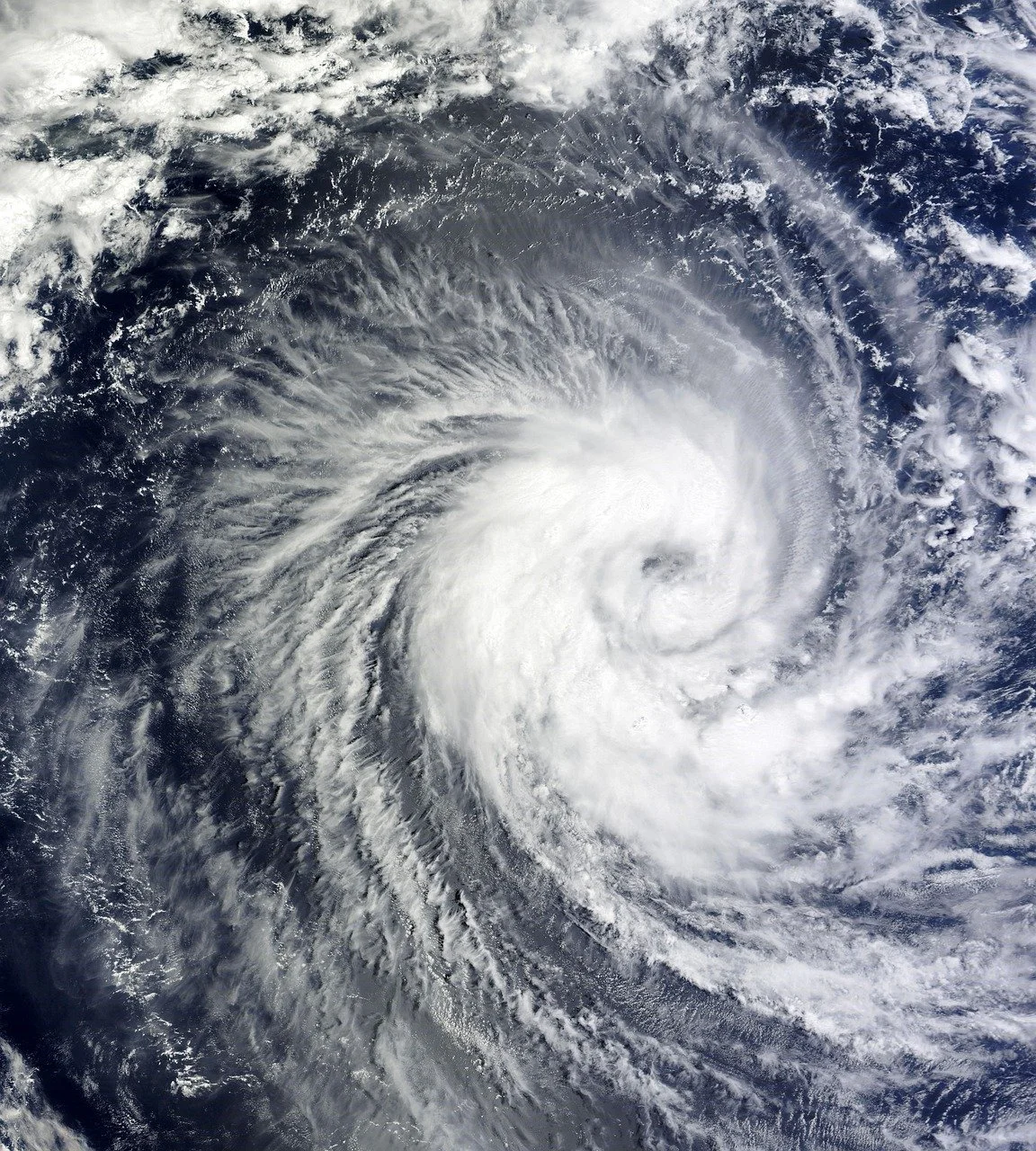
A hurricane is a powerful tropical storm with sustained winds of at least 74 mph. They bring a dangerous combination of high winds, heavy rainfall, and storm surge — the wall of ocean water pushed inland by the storm — that can overwhelm coastal and inland homes alike. Hurricane season runs June through November, with peak activity in August and September.
Key Risks
Storm Surge
1
Storm surge is the leading cause of hurricane deaths and can flood ground floors with several feet of water in minutes
2
Wind Damage
Wind damage strips roofing, shatters windows, and collapses structures — even homes miles from the coast
3
Extended Power Outage
Extended power outages lasting days or weeks are the norm after a major storm
4
Flooding and Mold
Flooding and mold follow the storm and can make a home uninhabitable long after the wind stops
Falling Trees and Debris
5
Falling trees and debris are responsible for the majority of property damage in most storms
How to Protect Your Home
1.
Backup power is non-negotiable. A quality standby or portable generator keeps your sump pump running, preserves food, and powers critical medical equipment. Don't wait until a storm is named — by then, generators are sold out. → See our Generator Guide in Home Protection
3.
Secure windows and doors. Impact-resistant windows and hurricane shutters are the most effective barrier against wind and debris. If you haven't installed permanent protection, plywood is a last resort — not a real solution.
2.
Know your flood risk and act on it. Even homes miles from the coast can flood during a hurricane. Flood insurance through the NFIP must be purchased at least 30 days before a storm — your homeowner's policy does not cover flooding. → Read our Insurance Guide in Home Protection
4.
Prepare your yard. Anything that can become a projectile in 100 mph winds — furniture, grills, decorative items — needs to come inside or be strapped down before the storm.
Build a go-bag and a stay-bag. Whether you shelter in place or evacuate, having 72 hours of supplies ready means you're not making decisions under pressure. Water, food, medications, documents, and a battery-powered radio are the minimum.→ See our recommendations here.
5.
🌀 Download Your Free Hurricane Preparedness Checklist
Don't try to remember everything. Our free checklist walks you through exactly what to do before, during, and after a hurricane — organized by timeline so nothing gets missed. Enter your email below and we'll send you our complete hurricane home protection checklist — covering storm shutters, emergency supplies, evacuation routes, and more.
Relates Articles
10 Inexpensive Home Improvements You Can Make to Prepare for Hurricane Season: Recommendations and Pricing.
How Long Should a Generator Run During a Power Outage?
Does Homeowners Insurance Cover Hurricane Damage?
Related Articles